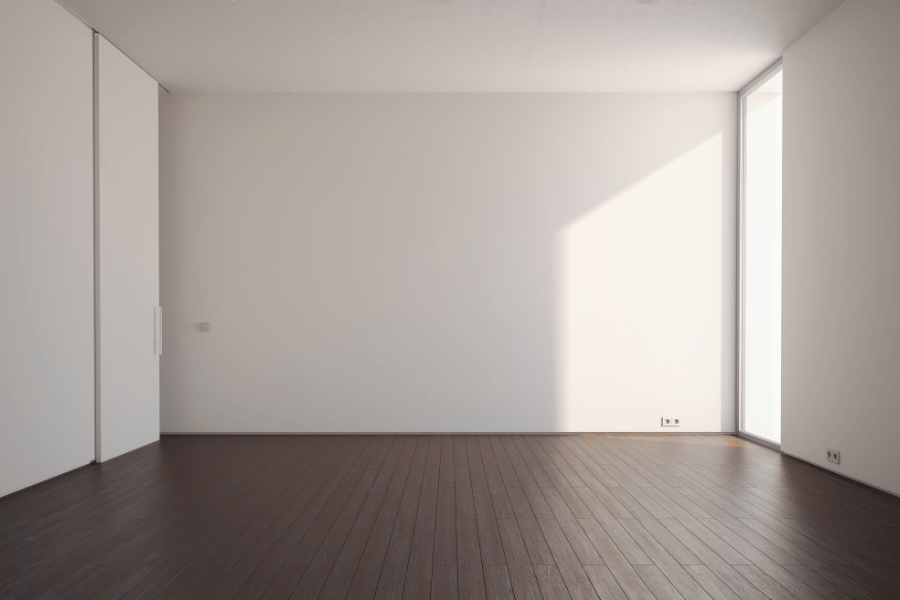
The day my youngest packed up their car and drove away to university, I stood in their empty bedroom and felt something I hadn’t expected. It wasn’t just sadness or pride—it was a strange, hollow feeling of “what now?” After decades of my identity being wrapped up in being “Mum,” I suddenly had to figure out who I was without that daily role defining me.
If you’re reading this, you might be experiencing something similar. Perhaps your children have recently left home, or maybe you’re preparing for that transition. Either way, empty nest syndrome is real, and it affects more of us than we’d like to admit. But here’s what I’ve learned: it’s also an incredible opportunity for reinvention.
Today, I want to share my journey of transforming both my physical space and my life after the kids flew the coop. Because while the adjustment was harder than I expected, the life I’ve created on the other side has been genuinely fulfilling.
Understanding Empty Nest Syndrome
Empty nest syndrome isn’t a clinical diagnosis, but it’s a very real emotional experience. It typically happens when your last child leaves home, and you suddenly find yourself without the daily responsibilities and routines that shaped your life for years—sometimes decades.
The feelings can include sadness, loss of purpose, loneliness, and even identity crisis. You might find yourself wondering, “Who am I if I’m not actively parenting?” It’s completely normal, and you’re not alone in feeling this way.
What surprised me most was the intensity of these feelings. I thought I’d be fine—after all, I’d been preparing for this moment for years. But preparation and reality are two very different things. The house felt too quiet, my calendar suddenly had gaps, and I caught myself setting an extra place at dinner more times than I’d like to admit.
The Emotional Impact I Wasn’t Prepared For
The first few weeks were the hardest. I’d built my entire routine around my children’s schedules for so long that I didn’t quite know what to do with myself. The mornings felt strange without the rush of school runs or packed lunches. Evenings were oddly quiet without homework help or teenage drama.
I found myself experiencing what felt like grief—because, in a way, it is a form of loss. I was mourning the end of an era, the daily presence of my children, and a version of myself that had been so central to my identity. This relates to the broader topic of resilience through life changes after 50, and recognizing these feelings as valid was the first step in moving forward.
Redesigning My Home: Creating Space for a New Chapter
Once I acknowledged my feelings instead of trying to push them away, I realized something important: my home no longer matched my life. Every room still screamed “family with kids,” but that wasn’t my reality anymore. So I decided to redesign my space to reflect this new chapter.
Starting with the Bedrooms
I didn’t rush to convert my children’s rooms immediately—that felt wrong somehow, like I was erasing them from the house. Instead, I took my time. About three months after my youngest left, I sat down and really thought about what I wanted.
My daughter’s room became a guest room with a beautiful reading nook by the window. My son’s space transformed into a home office and craft room where I could finally pursue some creative hobbies I’d put on hold.
The key was making these spaces serve my needs while still keeping small personal touches that honored my children’s place in our home. A photo wall, some of their artwork, meaningful mementos—these stayed, but the overall space evolved.
Reclaiming the Common Areas
The family room got the biggest transformation. Out went the massive sectional designed for movie nights with four people sprawled across it. In came a smaller, more elegant sofa and chairs arranged for conversation and reading. I added plants, better lighting, and created a proper space for my hobbies.
If you’re thinking about a larger-scale change, you might find my guide on downsizing helpful as you think about what truly serves your current lifestyle.
Redesigning My Life: Finding Purpose Beyond Parenting
Here’s the truth: redesigning my home was actually the easier part. Redesigning my life—that was the real challenge.
Rediscovering Myself
I realized I’d spent so long being “their mum” that I’d lost touch with parts of myself. What did I actually enjoy doing when I wasn’t coordinating school runs, attending sports events, or helping with coursework? It had been so long, I genuinely wasn’t sure.
So I gave myself permission to experiment. I tried watercolor painting (terrible at it), joined a book club (loved it), started volunteering at a local charity (incredibly rewarding), and signed up for an online writing course (discovered a hidden passion). Learning new skills has been transformative, and I’d encourage anyone in this position to try things you’ve always been curious about.
The process of finding your purpose after 50 isn’t always straightforward, [but it’s absolutely possible](link to “How to Discover Your Life Purpose After 50”).
Strengthening My Relationship
One unexpected challenge? My partner and I suddenly had to relearn how to be “just us” after years of our relationship revolving around the kids. We’d forgotten how to have conversations that weren’t about logistics, school issues, or teenager drama.
We made a conscious effort to reconnect—weekly date nights (even if just a walk and a pub dinner), trying new activities together, and honestly discussing our hopes for this next phase of life. Strengthening family bonds in this new dynamic took work, but it was worth every effort.
Creating New Routines
I discovered that I needed structure, but it had to be structure I chose for myself, not structure imposed by school terms and children’s activities. I created morning rituals that felt nurturing—a proper breakfast, a walk, time for reading or creative work before diving into the day’s tasks.
I also learned to embrace flexibility. Some days I’d work until 6 pm without thinking about dinner timing. Other days I’d take a spontaneous afternoon off to meet a friend. This freedom felt strange at first, almost guilty, but gradually I learned to embrace it.
Practical Tips for Navigating Empty Nest Syndrome
Based on my experience, here’s what helped me most:
1. Allow Yourself to Feel Everything
Don’t minimize your feelings. It’s okay to be sad, even while also being proud of your children’s independence. These emotions can coexist. Give yourself grace during the adjustment period.
2. Don’t Rush Major Decisions
Take time before making big changes. I’m glad I waited a few months before redesigning my children’s rooms. That waiting period helped me process the transition and make thoughtful choices rather than reactive ones.
3. Stay Connected—But Set Healthy Boundaries
I text my kids regularly, and we have weekly video calls. But I also had to resist the urge to be overly involved in their daily lives. They need space to grow, and honestly, so did I.
4. Invest in Your Relationships
Reconnect with friends, strengthen your partnership, make new social connections. I actually used some friendship apps designed for our age group and met some wonderful people.
5. Create Goals That Excite You
This is definitely something I should stop apologizing for — putting myself first isn’t selfish, it’s necessary. I created a vision board for this new chapter of my life, filled with travel destinations, learning goals, and personal projects.
The Unexpected Gifts of an Empty Nest
Here’s what I didn’t expect: once I moved through the difficult adjustment period, I discovered some genuine gifts in this new phase.
I have time for myself—proper, uninterrupted time to pursue interests, develop new skills, and simply be. My relationship with my partner has deepened in ways I didn’t think possible after so many years together. And my relationships with my children have evolved into adult friendships that are incredibly rewarding.
I’ve learned that empty nest syndrome, while challenging, doesn’t have to define this stage of life. It’s a transition point, not an ending. And with intentional effort, it can become the beginning of something genuinely exciting.
Moving Forward with Intention
If you’re struggling with empty nest syndrome right now, please know that what you’re feeling is valid. This is a significant life transition, and it deserves to be acknowledged and processed.
But also know this: you’re not losing your identity as a parent. You’re expanding it. You’ll always be their mum or dad—that never changes. But you’re also reclaiming other parts of yourself that may have been dormant for years.
The home redesign helped me physically create space for this new chapter. The life redesign helped me emotionally and mentally embrace it. Both were necessary, and both took time.
Some days I still feel that twinge when I pass my kids’ former bedrooms, now transformed into spaces that serve my current needs. But mostly, I feel excited about the possibilities ahead. I’m building a life that’s authentically mine, and that feels empowering.
Your children leaving home isn’t the end of your purpose—it’s the beginning of a new one. And that new purpose? It’s entirely yours to design.