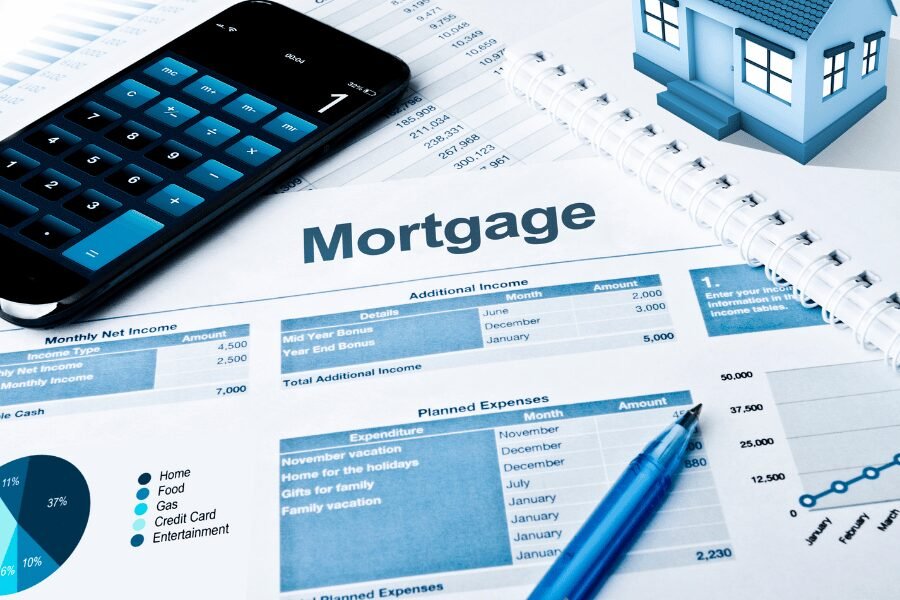
It’s a question that keeps many of us awake at night, especially as we navigate our 50s and beyond: should you pay off your mortgage early or invest that extra money instead? If you’re staring down retirement and trying to make the smartest financial move, you’re not alone in this dilemma.
I remember having this exact conversation with my financial advisor a few years ago. The “right” answer felt frustratingly unclear, and honestly, it still depends on your unique situation. But here’s the good news: we can break this down together and help you figure out what makes the most sense for your circumstances.
Let’s explore the key factors that’ll help you decide whether to pay off mortgage or invest, and I’ll share some practical tools to make this decision with confidence.
The Emotional Factor: Why Peace of Mind Matters
Before we dive into numbers and calculations, let’s talk about something that spreadsheets can’t capture: how you feel about debt.
For some people, the thought of being mortgage-free is incredibly liberating. There’s something deeply satisfying about owning your home outright, especially as you approach or enter retirement. If you’re someone who loses sleep over debt, that peace of mind might be worth more than any potential investment returns.
On the other hand, some of us are comfortable with “good debt” and would rather see our money working harder in investments. Neither approach is wrong – it’s about knowing yourself and what brings you genuine security and contentment.
Understanding the Math: The Foundation of Your Decision
Here’s where we need to get practical. When trying to decide whether to pay off mortgage or invest, you’re essentially comparing two numbers:
Your mortgage interest rate versus your expected investment return.
Let’s say your mortgage interest rate is 4%. If you can reliably earn more than 4% on your investments (after accounting for taxes and fees), the math suggests investing might come out ahead. However, if your mortgage rate is higher than what you can reasonably expect to earn, paying it off early could be the smarter financial move.
But here’s the catch: investment returns aren’t guaranteed, while your mortgage interest rate is fixed (assuming you have a fixed-rate mortgage). That guaranteed “return” from paying off your mortgage early is a form of <u>financial security</u> that shouldn’t be underestimated.
Should I Pay Off My Mortgage or Invest? Using our Calculator
The beauty of living in the digital age is that we have tools to help us visualize this decision. A pay off mortgage or invest calculator can be incredibly helpful for running different scenarios.
Here’s what a good calculator will help you compare:
- The total interest you’ll save by paying off your mortgage early
- The potential growth of investing that same money over time
- Your net worth difference at various future dates
- Tax implications of both strategies
💰 Pay Off Mortgage or Invest Calculator
Make the smartest financial decision for your future
Mortgage Details
Principal + Interest payment (excluding taxes/insurance)
Comparison Details
Amount you can put toward mortgage or investments each month
Historical stock market average is ~10%; conservative estimate is 6-7%
Your marginal federal tax rate (for investment tax calculations)
Note: This calculator provides estimates for comparison purposes. It assumes you invest in a taxable account and accounts for capital gains taxes.
Consult with a financial advisor for personalized advice tailored to your specific situation.
Your Results
🏠 Pay Off Mortgage Early
📈 Invest the Money
💡 Recommendation
Detailed Breakdown
When using these calculators, be realistic about your investment return assumptions. While the stock market has historically returned around 10% annually over long periods, being conservative with a 6-7% estimate might give you a more realistic comparison, especially when you factor in fees and taxes.
Key Variables to Consider in Your Calculation
As you work through different scenarios to pay off mortgage or invest, make sure you’re accounting for:
- Your current mortgage balance and interest rate: This is your baseline
- Years remaining on your mortgage: The closer you are to paying it off anyway, the less interest you’ll save
- Your tax bracket: Mortgage interest deductions and investment taxes both matter
- Your expected investment returns: Be conservative here
- Your risk tolerance: Can you handle market volatility?
The Hybrid Approach: Why Not Both?
Here’s a strategy that many financial advisors recommend, and it’s one I find particularly appealing: why does it have to be all or nothing?
Consider splitting the difference. Maybe you put 60% of your extra funds toward investments and 40% toward your mortgage (or whatever ratio feels right to you). This hybrid approach gives you:
- The satisfaction of watching your mortgage balance decrease
- The growth potential of investment returns
- Reduced risk by diversifying your strategy
- Flexibility to adjust as circumstances change
This middle path can be especially appealing if you’re naturally risk-averse but don’t want to miss out on potential investment growth.
When Paying Off Your Mortgage Makes More Sense
There are definitely scenarios where focusing on becoming mortgage-free is the smarter choice. Consider prioritizing paying off your mortgage if:
You’re within 5-10 years of retirement: Having a paid-off home going into retirement can significantly reduce your monthly expenses and the amount you need to withdraw from retirement accounts.
Your mortgage interest rate is high: If you locked in a rate above 6-7%, paying it off early might beat what you’d earn in conservative investments.
You have minimal retirement savings: If you’re already maxing out your retirement accounts and have a solid emergency fund, then extra mortgage payments make more sense.
Market volatility stresses you out: If stock market swings keep you awake at night, the guaranteed “return” from paying off your mortgage might be worth more to your wellbeing than potentially higher investment returns.
You want to downsize or relocate: Having equity in your home gives you maximum flexibility for your next chapter, whether that’s downsizing to a smaller property or relocating to a new area.
When Investing Might Be the Better Choice
Alternatively, you might want to prioritize investing over early mortgage payoff if:
Your mortgage interest rate is low: If you locked in a rate below 4%, you’re likely to beat that with long-term investments, especially in tax-advantaged retirement accounts.
You’re not maxing out retirement contributions: Before making extra mortgage payments, make sure you’re getting any available employer match and maximising contributions to IRAs and 401(k)s. The tax advantages of retirement accounts are too valuable to pass up.
You need more liquidity: Money you put toward your mortgage is tied up in home equity, which isn’t easy to access. Investments, on the other hand, can be liquidated if needed (though you’d prefer not to do this).
You have decades until retirement: The longer your investment timeline, the more likely you are to weather market volatility and benefit from compound growth.
You’re comfortable with calculated risk: If you understand that investments fluctuate but believe in long-term market growth, investing could build more wealth over time.
Don’t Forget These Important Considerations
Emergency Savings Come First
Before you even consider whether to pay off mortgage or invest, make sure you have a robust emergency fund. Most financial experts recommend 6-12 months of expenses, and I’d lean toward the higher end as we get older. Life has a way of throwing curveballs, and you don’t want to be forced to choose between your mortgage and unexpected expenses.
Tax Implications Matter
The tax landscape has changed significantly in recent years. The increased standard deduction means many homeowners no longer benefit from the mortgage interest deduction. Run the numbers for your specific situation – if you’re not itemizing deductions anyway, that’s one less reason to keep the mortgage around.
On the flip side, be mindful of the tax implications of your investments. Tax-advantaged retirement accounts like 401(k)s and IRAs offer significant benefits that you should take full advantage of before making extra mortgage payments.
Your Overall Financial Picture
This decision doesn’t exist in isolation. Consider:
- Other debts: High-interest credit card debt should be tackled before either mortgages or investments
- Insurance coverage: Ensure you have adequate life and disability insurance
- Estate planning: How does each option affect your legacy and heirs?
- Healthcare costs: Are you prepared for potential medical expenses in retirement?
Creating Your Personal Strategy
So, how do you actually make this decision? Here’s a step-by-step approach:
Step 1: Get clear on your current financial picture. Know your mortgage details, current savings, and retirement account balances.
Step 2: Define your goals. When do you want to retire? What does financial freedom look like to you? Do you want to leave a legacy?
Step 3: Use multiple calculators to model different scenarios. Don’t just look at one projection – run several with varying assumptions.
Step 4: Consider your personal risk tolerance and emotional needs. The “best” mathematical answer isn’t always the best answer for you.
Step 5: Make a decision, but stay flexible. You can always adjust your strategy as circumstances change.
The Bottom Line: It’s Your Choice to Make
The question of whether to pay off mortgage or invest doesn’t have a one-size-fits-all answer. It’s a deeply personal decision that depends on your financial situation, your goals, your risk tolerance, and frankly, what helps you sleep better at night.
For many people in their 50s and beyond, a balanced approach makes the most sense. Maybe that means maxing out retirement contributions while also making some extra mortgage payments. Or perhaps it means focusing on one goal for a year and then reassessing.
What matters most is that you’re making an informed, intentional decision rather than just drifting along with the minimum payment. You’re taking control of your financial future, and that’s something to be proud of.
Remember, this is your second act, and you get to write the script. Whether you choose the security of a paid-off home, the growth potential of investments, or a combination of both, make the decision that aligns with your values and your vision for this next chapter.